

First, what this guide is and is not
We are a locksmith. We are not lawyers, and nothing on this page is legal advice. What we can offer is practical experience: we work for tenants and for landlords across New Castle and Kent counties every week, and we see how lock and key questions actually play out in apartments, rented houses and small buildings.
The rights and duties of Delaware landlords and tenants are set out in the state's Residential Landlord-Tenant Code, which is part of Title 25 of the Delaware Code, and in your own lease. Those are the documents that decide what applies to you. If you have a dispute, a safety concern or a question about your specific situation, read the current text of the code and your lease, and speak to someone qualified to advise you, such as a lawyer or a legal aid organization. Landlord-tenant disputes in Delaware are generally handled through the Justice of the Peace Court.
With that said, most lock questions renters have are not legal disputes at all. They are practical ones. Can I ask for the locks to be changed when I move in? What happens if I lock myself out? Can I put a smart lock on my door? What if someone I no longer trust has a key? Those are the questions this guide is for.
Move-in
Asking whether the locks were changed.
The most useful question a new tenant can ask, and it costs nothing to ask.
When you move into a rental, the locks on your door have been used by at least one previous household, and often by several. Previous tenants may have made copies for family, friends, partners or dog walkers. Maintenance staff, cleaners and contractors may have had keys during the turnover. You have no way of knowing how many working keys exist.
Many landlords rekey between every tenancy as a matter of routine, because it protects them as well as you. Many others do it when asked. It is a completely reasonable question to put to a landlord or property manager, and the best time to ask is before you sign or on move-in day.
Ask politely and in writing, by email or through the tenant portal, so there is a record. Something as simple as asking whether the unit's locks were rekeyed after the previous tenant, and if not, whether they could be, is enough. If the landlord agrees, the landlord normally arranges the locksmith, and you receive new keys while the landlord keeps a copy.
If the landlord says no, check your lease. It may say something about locks, keys or security. If you still have concerns, you can ask whether you may arrange and pay for a rekey yourself, with the landlord's written permission and a key provided to them. Most landlords find that acceptable.
Common situations
What usually happens, and what we do.
| Situation | How it usually works | Our part |
|---|---|---|
| You want the locks rekeyed at move-in | Ask the landlord in writing. Many agree, and many do it routinely. | We rekey for landlords or, with the landlord's permission, for tenants. |
| You locked yourself out | Your lease or landlord may have a lockout policy. After hours, many tenants call a locksmith. | We open the door after checking you live there. |
| You lost your keys | Tell the landlord. A rekey may be needed, and the lease may say who pays. | We rekey when the landlord or an authorized tenant requests it. |
| Someone you no longer trust has a key | Tell the landlord promptly and ask for a rekey. If you are in danger, contact the police first. | We can often rekey the same day once arranged. |
| You want a smart lock | Most leases need landlord permission for lock changes. Ask first. | We fit it once approved, and can reinstall the original lock when you leave. |
| A lock is broken or will not secure the door | Report it to the landlord in writing as a repair. | We repair or replace at the landlord's request, or urgently if the door cannot be secured. |
| You were locked out by the landlord | This is a legal matter. Seek advice from the court or legal aid. | We do not lock tenants out outside a lawful court process. |
Lockouts
If you lock yourself out.
Every renter locks themselves out eventually. What happens next depends on your building and your lease. Some landlords and property managers offer lockout help during office hours, sometimes with a fee. Some have an after hours maintenance line. Many small landlords simply do not answer at two in the morning.
Check your lease and the move-in information for a lockout policy, and save the landlord's and maintenance numbers in your phone now. If there is no one available, a locksmith can open the door.
When we open a rented home, we will ask for proof that you live there before we open it, or immediately after, depending on the circumstances. A driver's license with the address, a lease, a utility bill or mail addressed to you at the unit are typical. This is not us being difficult. It protects you, because the alternative is a locksmith who will open anyone's door for anyone who asks.
Opening a standard apartment door is usually done without damage. If the door has a high security lock or a deadbolt that cannot be picked, the options may be different, and we will explain them before doing anything. We will not drill or replace a lock on a rented unit without telling you that the landlord may need to be involved.
After a lockout, think about a spare. A trusted friend or neighbor with a copy, if your lease allows copies, saves the next call. Hiding a key outside the door is not a good idea in apartment buildings, where many people pass by.
Safety concerns
When someone should not have a key anymore.
One of the most important lock situations for renters is when someone who has a key should no longer have access. A former partner, a former roommate who moved out on bad terms, someone who has made threats. In these situations speed matters.
If you are in immediate danger, call 911. Locks are not the first line of response to a threat.
For the lock itself, contact your landlord or property manager as quickly as you can, explain that someone who should no longer have access holds a key, and ask for the locks to be rekeyed. Put the request in writing as well, even if you also call. Most landlords respond quickly to a safety request, because it protects their property and their other tenants too.
If your situation involves domestic violence, a domestic violence advocate or legal aid organization can explain options that may be available to you under Delaware law and help you with the process. The police can also advise you. We are not able to advise on those rules, but we can act quickly on the practical side once a rekey has been arranged.
When the landlord cannot be reached and the risk is urgent, call us and explain the situation. We will talk through what we can do, which may include a temporary measure that does not affect the landlord's hardware, until the landlord can be contacted.
Changes you want to make
Smart locks, extra locks and keypads.
Many renters want a smart lock, a keypad, a door chain or an extra deadbolt. The honest practical answer is that most leases require the landlord's permission for any change to the locks, and most landlords require a key or code to any lock you fit. The reason is simple: the landlord needs access for emergencies such as a burst pipe or a fire, and for the repairs and inspections the lease allows.
If you want to change something, ask first and in writing. Explain what you want to fit and why. Offer to have it professionally installed, to provide a key or code, and to reinstall the original hardware when you move out. Framed that way, many landlords agree.
There are options that do not change the lock at all. A smart lock that fits over the existing inside thumb turn, leaving the outside key cylinder untouched, is one example, though you should still check with the landlord. Portable door security devices used only when you are home are another. A small safe in the unit protects valuables without touching the door.
If you do fit something with permission, keep the original hardware somewhere safe. At move-out, you will usually need to reinstall it or leave the new hardware with the codes reset, depending on what you agreed.
The smart lock buying guide and keyless entry pros and cons are worth reading before you ask.
Our policies
How we handle rented homes.
| Request | What we need |
|---|---|
| Lockout for a tenant | Identification and proof of residence at the unit. |
| Rekey requested by a tenant | Proof of residence and the landlord's permission, unless there is an urgent safety concern we have discussed with you. |
| Rekey requested by a landlord or manager | Proof of ownership or authority to act for the owner. |
| Lock change after an eviction | Evidence that possession has been returned to the landlord through the court process. |
| Lock change to remove a tenant without court process | We do not do this. |
| Opening a unit for a landlord while a tenant is away | Proof of ownership, and we expect the landlord to be following the lease and the law on entry. |
We do not lock tenants out
We will not change locks to remove a tenant who has not been lawfully evicted. Evictions in Delaware go through the court process. If you are a landlord in that situation, our eviction lock change page explains what we need to see. If you are a tenant who has been locked out by a landlord, seek advice from the court or a legal aid organization.
Broken locks are a repair request
A lock that sticks, a deadbolt that will not reach the strike, a sliding door latch that does not catch, a window lock that is missing. Renters often live with these for months because they do not want to bother the landlord or worry about being charged. In most tenancies, keeping the unit's locks working is part of normal maintenance, and a lock that does not secure the door is a real problem for you and for the property.
Report lock problems the same way you would report a leak: in writing, with a clear description, a photo if it helps, and the date. Keep a copy. If the problem means the door cannot be locked at all, say so plainly and mark it urgent. A landlord who knows a unit cannot be secured has every reason to act quickly.
Do not try to fix the lock yourself by forcing it, spraying heavy oil into it or taking it apart. That can turn a small repair into a replacement, and it can create a question about who caused the damage. A short written report is the better route. If a key breaks in the lock, the broken key guide explains what to do while you wait.
Keys at move-out
At the end of a tenancy, return every key you were given, including mailbox keys, storage keys, garage remotes and access fobs. Get a receipt or a written acknowledgment, and note the number and type of keys returned. If you made copies with the landlord's permission, return those too, or tell the landlord how many exist.
Leases sometimes say that unreturned keys may lead to a charge for rekeying. Even where they do not, returning everything cleanly avoids arguments over your deposit. Photograph the doors and locks on your way out, just as you did when you moved in.
If you fitted a smart lock or other hardware with permission, reinstall the original or reset the new one as you agreed. Delete your codes and remove the lock from your phone app so the next tenant is not tied to your account.
And when you move into your next place, ask the question from the start of this guide again. Were the locks rekeyed after the last tenant?
Delaware rentals
What we see across the two counties.
Apartment complexes around Newark, Bear, Christiana and Dover usually have a management office with a lockout policy and maintenance staff. Many rekey between tenants as routine. Check the office hours and the after hours number at move-in.
Converted row homes and small buildings in Wilmington and Elsmere are often owned by small landlords who manage the property themselves. Rekeying between tenants is less consistent here, so the move-in question matters more.
Student rentals near the University of Delaware and Delaware State University turn over every year, often with groups of tenants who each had keys. The college move-in guide covers that situation in detail.
Military families renting near Dover Air Force Base move frequently and often arrive in a hurry. Asking about the locks on arrival is just as important for a short tenancy.
Related
For renters and landlords.
Landlords reading this may find securing a rental property and tenant turnover locks useful.
 Most requested
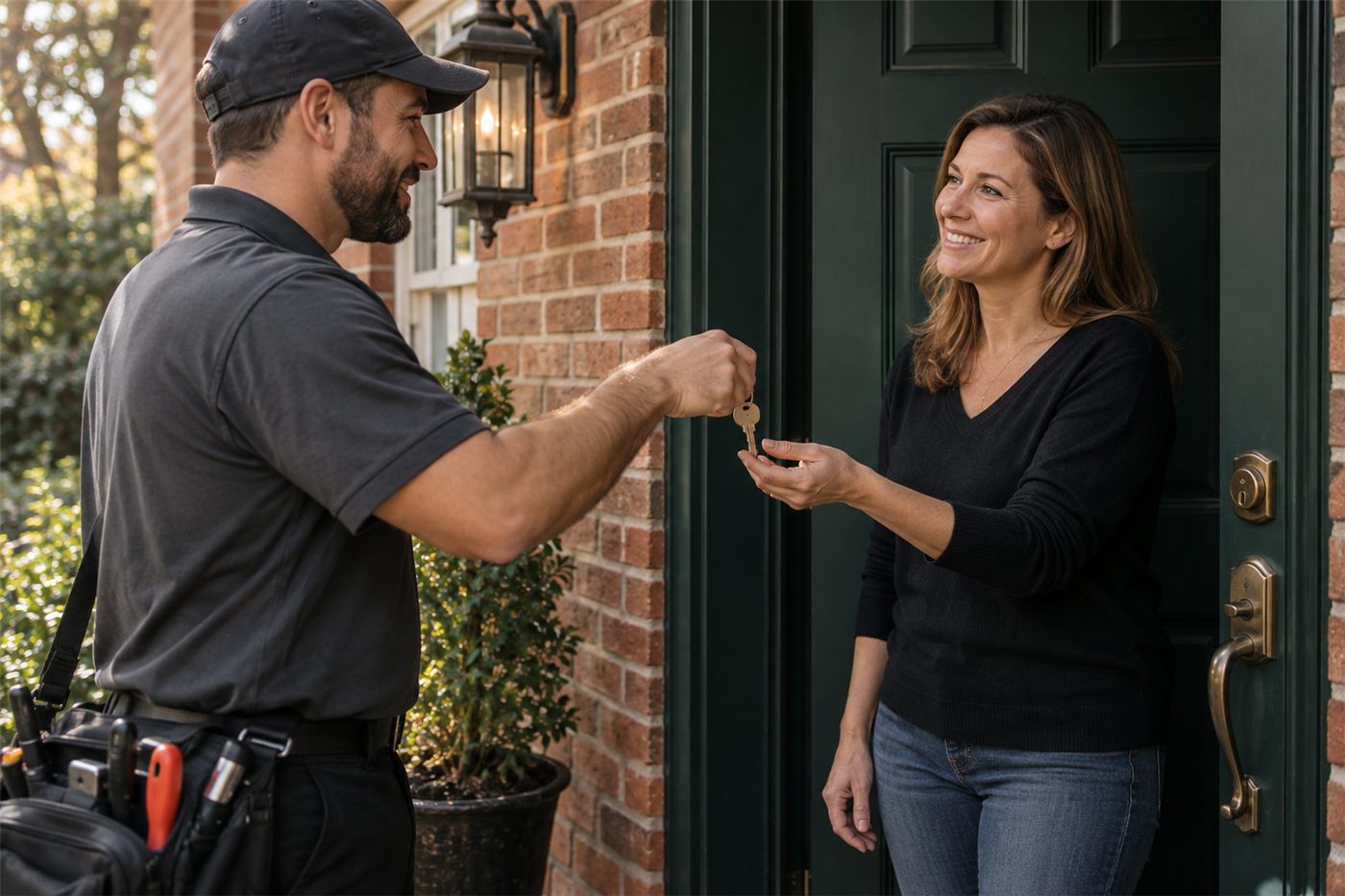
Lockouts
Back in after we confirm you live there.
 Key control
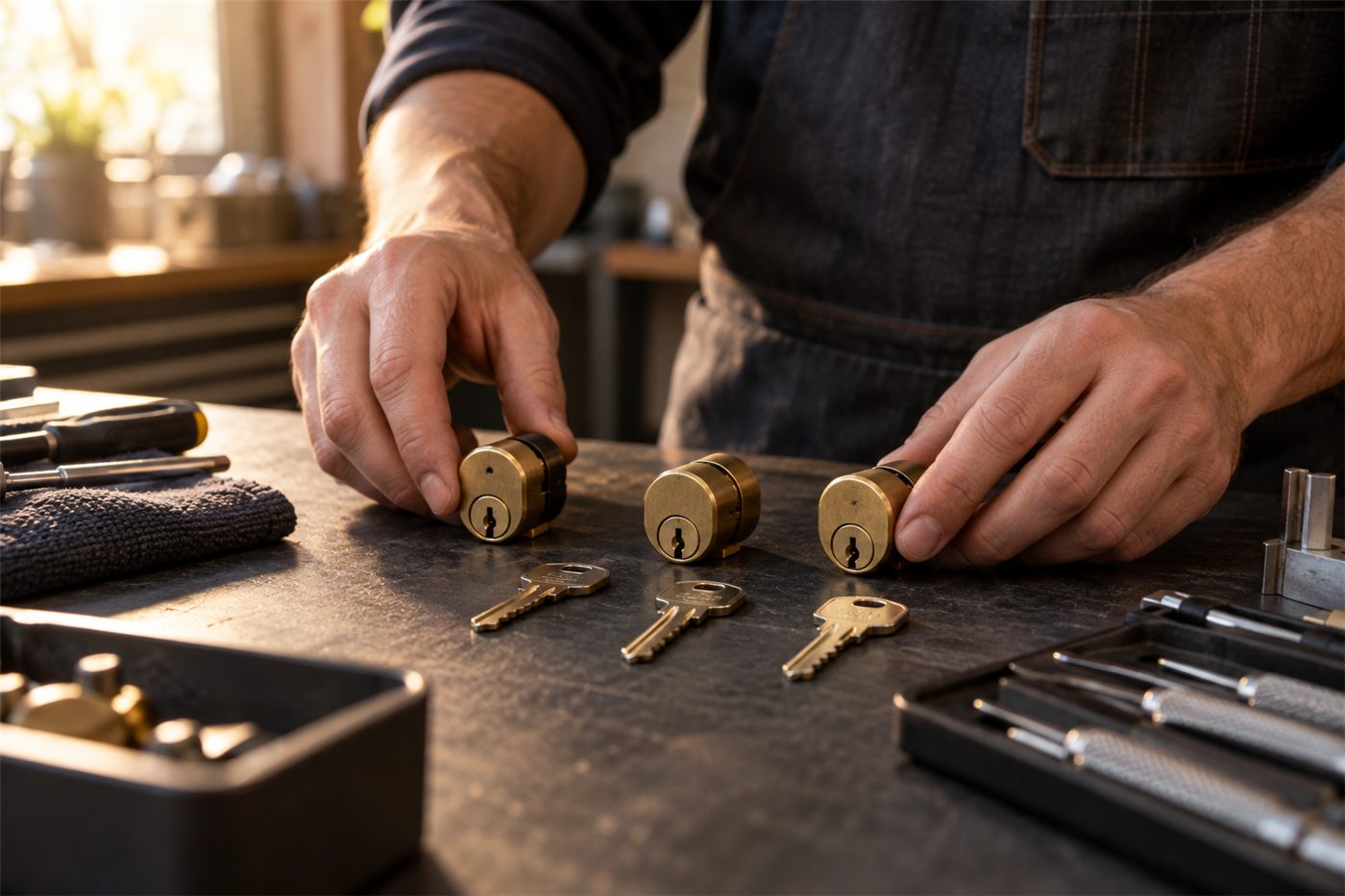
Lock Rekeying
New keys, old keys dead, arranged with your landlord.
LandlordsLandlord Rekey Service
Rekeys between tenants, planned and batched.
 With permission
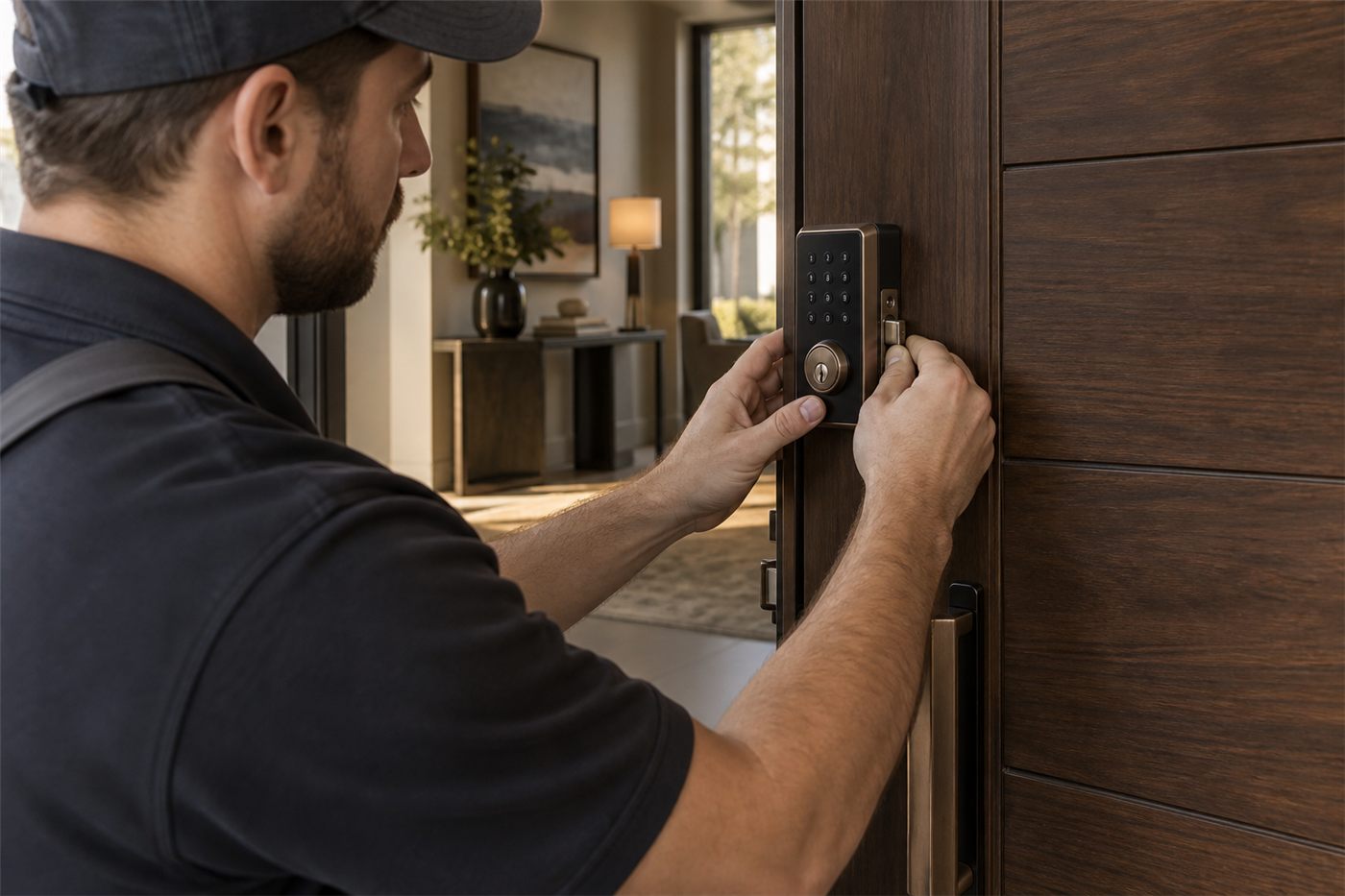
Smart Lock Installation
Fitted with the landlord's approval, original kept safe.
Small itemsMailbox Locks
Changed when the unit changes hands.
Court processEviction Lock Change
Only once possession has been lawfully returned.
Where we do this
Rental lock work across both counties.
Questions
About locks in rented homes.
Can I ask my landlord to rekey when I move in?
Yes, and it is a sensible question to ask. Many landlords rekey between tenants routinely, and many will do it if asked. Put the request in writing. If they decline, check your lease and ask whether you may arrange it yourself with their permission.
Can I change my own apartment locks?
Most leases require the landlord's permission for lock changes, and most landlords require a key. Check your lease and ask in writing first. The rules that apply to you are in your lease and in Delaware's landlord-tenant code.
Will a locksmith open my apartment if I am locked out?
We will, after checking that you live there. Identification with the address, a lease, or mail addressed to you at the unit are typical. It protects you from someone else having your door opened.
My ex has a key. What should I do?
If you are in danger, call 911 first. Then contact your landlord promptly, in writing as well as by phone, and ask for a rekey. A domestic violence advocate or legal aid organization can explain any options available to you under Delaware law.
Can my landlord change the locks to force me out?
Evictions in Delaware go through the court process. If you have been locked out by a landlord, seek advice from the Justice of the Peace Court or a legal aid organization. We do not change locks to remove tenants outside that process.
Can I install a smart lock in my rental?
Usually only with the landlord's permission, and with a key or code provided to them. Offer to have it professionally installed and to reinstall the original lock when you leave. Many landlords agree on those terms.
Who pays for a rekey if I lose my keys?
That depends on your lease, which often addresses it. Tell your landlord promptly either way, since a lost key with anything identifying the address is a risk to you and the building.
Where can I read Delaware's landlord-tenant rules?
The Residential Landlord-Tenant Code is part of Title 25 of the Delaware Code, and the current text is published online by the state. For advice on your specific situation, speak to a lawyer or a legal aid organization.