

Two goals that pull in opposite directions
Most lock advice is about keeping people out. Childproofing is about keeping small people in, or at least out of certain places, and that changes the priorities. A lock that stops a burglar is not necessarily one that stops a three year old, and a lock that stops a three year old can be dangerous if it also stops a parent getting out in a fire.
So there are two goals. The first is to prevent a young child from leaving the house alone, reaching a pool, a garage, a basement stairway or a street, or locking themselves into a room where an adult cannot reach them. The second is to make sure that every adult and older child in the house can still get out quickly, in the dark, without a key, if there is a fire or other emergency.
Everything in this guide is about balancing those two goals. The details depend on the age of your children, the layout of your home and what is outside it, but the principles are the same for every family. We are a locksmith, not a child safety authority, so treat this as practical advice about locks and doors, and combine it with guidance from your pediatrician and your local fire service.
Wandering
The door to the outside.
The first priority for most parents is a toddler who has figured out the front door.
At some point, usually between one and three years old, a child learns that turning the knob or pushing the lever opens the door. Lever handles in particular are easy for small hands, since pushing down on them works even without grip strength. A deadbolt thumb turn is often within reach and easy to turn once a child has watched it done a few times.
The usual solution is a second lock mounted high on the door, above a child's reach. There are several types. A simple surface-mounted slide bolt or chain works, though some are easy to pull loose. A flip lock mounted at the top of the door frame is quick for adults and hard for children. A second keyless deadbolt fitted high on the door is the most secure option. Whatever you choose, it should open from inside quickly and without a key.
That last point is critical. Do not use a lock that needs a key to open from the inside on any door you might need to escape through. Double cylinder deadbolts, which need a key on both sides, are sometimes suggested as a childproofing measure. They do stop a child, but they also stop an adult in a smoke-filled hallway fumbling for a key. If a double cylinder is already fitted, keep the key in the lock or next to the door whenever anyone is home, and consider replacing it.
Door knob covers, the plastic sleeves that spin unless squeezed in a certain way, are another option on round knobs. They are inexpensive and effective for young children, but they also slow down adults, older relatives and babysitters, and they do not work on lever handles. Lever locks are available as separate products.
Options
Childproofing hardware compared.
| Option | Good for | Watch out for |
|---|---|---|
| High flip lock or slide bolt | Exterior doors, pool gates, basement doors | Must be easy for adults to open quickly. Some cheap bolts pull out of soft frames. |
| Second keyless deadbolt mounted high | Front and back doors with a determined climber | Needs proper installation into the frame. Keyless on the inside. |
| Door knob covers | Interior doors with round knobs | Slow for adults and older relatives. Not suitable for lever handles. |
| Lever handle locks | Interior lever handles | Some can be pushed off by an older child. Check the fit. |
| Privacy locks with outside release | Bathrooms and bedrooms | Keep the release tool somewhere every adult can find. |
| Door alarms or chimes | Any exterior door or pool gate | They alert rather than prevent. Useful as a second layer. |
| Keypad or smart lock | Older children who come home alone | Choose a model with a mechanical override and teach the code carefully. |
| Double cylinder deadbolt | Generally not recommended in homes | Needs a key to get out. A real hazard in a fire. |
Bathrooms and bedrooms
When a child locks themselves in.
A child who locks a bathroom or bedroom door and cannot unlock it is one of the most common household lock calls, and one of the most frightening for parents. Fortunately, most interior privacy locks are designed for exactly this situation.
Interior privacy knobs and levers, the kind with a push button or small turn on the inside, almost always have an emergency release on the outside. It is usually a small hole in the center of the outside knob or lever, or a slot. A thin straight tool, sometimes supplied with the lock as a small metal pin or a flat key, pushed or turned in that hole releases the lock. Many families have never noticed the hole, and the tool that came with the lock went into a drawer years ago.
Find out now which kind each of your interior locks has. Keep a release tool on top of each door frame, or in a known drawer, and show every adult in the house how to use it. A small flat screwdriver or a straightened paper clip works on many models. If a lock has no outside release, consider replacing it with one that does.
Some older homes, especially the row houses and older twins around Wilmington and Elsmere, still have old mortise locks on interior doors that use a skeleton key. A child locking one of those can be a real problem if the key is lost. Removing the key, or replacing the lock with a modern privacy set, avoids it.
If a child is locked in and you cannot open the door, stay calm and keep talking to them. If there is any chance of danger, such as water running in a bath, a hot appliance or a child who is unwell, call 911 first. Otherwise, call us and we will get the door open.
Specific dangers
Pools, garages, basements and stairs.
Pools and hot tubs. Any door or gate that leads to a pool should have a latch out of a young child's reach and should close and latch on its own. Pool gates often have their own requirements depending on where you live, so check with your local building or code office for what applies to your property. Door alarms on any house door that opens onto the pool area add a useful layer.
The garage. The garage holds cars, tools, chemicals and the overhead door. The door from the house into the garage should be kept locked or latched high, especially in homes where the garage entry door is used constantly by adults. See our garage entry guide for how that door should be set up.
Basement stairs. A basement door at the top of steep stairs is a fall risk for a toddler. A high latch on the stair side, or a proper stair gate, keeps the door closed. Make sure the latch can be opened from the basement side too, so nobody is ever trapped downstairs.
Sliding patio doors. Children can learn to flip a sliding door latch at a surprisingly young age. A secondary lock mounted high on the door frame, or a bar that sits in the upper track, keeps the door shut. The sliding door guide covers the options.
Windows. Window stops or locks that limit how far a window opens are worth fitting on upper floors. Screens do not stop a child falling. Our window locks page covers the types.
Cabinets with medications, firearms or chemicals. These need real locks, not just cabinet latches. A child who can climb can reach a high cabinet. For firearms, a proper safe with a lock the child cannot open is the only answer. See our gun safe locks page.
Fire escape comes first
It is worth saying clearly, because it is the part of childproofing that goes wrong most often. Every lock you add to keep a child in must be one that an adult can open instantly, in the dark, with smoke in the room, without a key, a code or a tool. If a lock fails that test, it should not be on a door you might need to escape through.
Practice it. Walk your family's escape route from each bedroom and try every lock along the way with your eyes closed. Can you find it? Can you open it with one hand? Can a grandparent staying the weekend? Can the babysitter? If the answer to any of those is no, change the lock or its position.
Older children should learn to open every lock on their escape route as soon as they are able, even the ones you fitted to keep younger siblings in. There is a point where teaching a child to open a door becomes more important than stopping them, and that point arrives earlier than most parents expect.
If you have questions about fire escape planning for your home, your local fire company can often help, and many run home safety programs. A locksmith can then make sure the hardware matches the plan.
Visitors deserve a thought as well. Grandparents, babysitters and friends who stay over do not know your house the way you do. A latch you open without thinking may be invisible to someone else at night. Show every overnight guest where the high latches are and how they open, the same way you would show them the light switches.
Children and keys
When they are old enough to come home alone.
Eventually children grow into the other side of this problem: they need to let themselves in after school, and they are not always careful with keys. A child's lost house key is a security problem, especially if it was on a backpack with the child's name and school on it.
- Consider a keypad for the family door. A code cannot be lost on a bus, and it can be changed in minutes if a friend learns it. Choose a model with a mechanical override.
- Never put the address on the key. Name tags on backpacks and key rings with the address make a lost key dangerous.
- Do not hide a spare outside. Children tell friends where the spare is. Friends tell others. A trusted neighbor with a spare is better.
- Teach them to lock up behind themselves. A child who comes home and leaves the door unlocked for the afternoon has undone every lock you fitted.
- Rekey if a key is lost with identifying information. Or change the keypad code if a code has been shared too widely.
- Teach them what to do if locked out. Where to go, who to call, and never to climb in through a window.
Cars
Children and car locks.
| Situation | What to do |
|---|---|
| Child locked in a car, any weather | Call 911 first, every time. A closed car heats up quickly and emergency responders can act fastest. |
| Keys locked in car with no child inside | A standard car lockout. Call us and we will open it without damage. |
| Child pressing the lock button | Most cars have child safety locks on the rear doors. Check your owner's manual for how to enable them. |
| Child playing with the key fob | Keep fobs out of reach. Fobs dropped in a car can lock it, and some cars lock themselves with the fob inside. |
| Teen driver needs a key | A spare key is worth making before one is lost. See the spare car key guide. |
For a closer look at car lockouts, see locked out of your car and keys locked in a running car. When a teen starts driving, the spare car key guide explains why it is worth getting one now.
By age
How the approach changes as they grow.
Babies and crawlers. Before a child can reach door handles, the focus is on cabinets, stair gates and anything at floor level. Door locks rarely matter yet, but it is a good time to check interior privacy locks for outside releases and to plan where high latches will go.
Toddlers. This is the peak age for wandering and for locking themselves into bathrooms. High latches on exterior doors, garage and basement doors, and pool access doors do most of the work. Knob covers or lever locks on rooms you want to keep them out of.
Preschool and early school age. Children become climbers and problem solvers. A chair pushed to a door can reach a high latch. Door alarms add a layer. This is also the age to start teaching fire escape routes.
Older children. The focus shifts from keeping them in to teaching them to lock up, manage keys and open every lock on the escape route. High latches that are no longer needed for older kids may still be needed for younger siblings.
Teenagers. Keys, codes and car keys. Changing a keypad code after a party, and a spare car key before they lose the only one.
Related
Other family safety guides.
For grandparents or older relatives in the home, the senior home lock safety guide covers the other end of the same balance.
 Most requested
Residential Locksmith
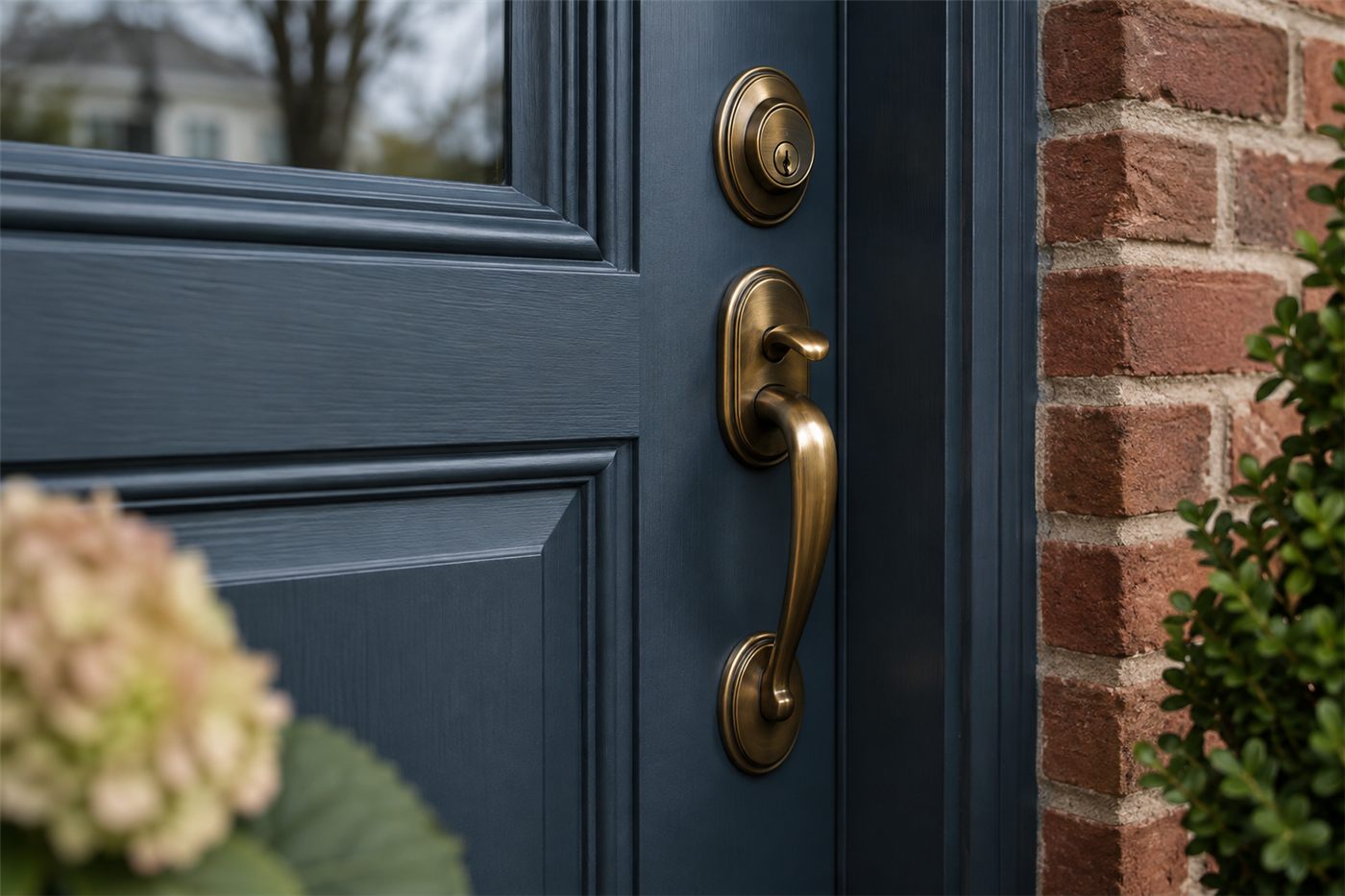
High latches and safe interior locks fitted properly.
 Urgent
House Lockout
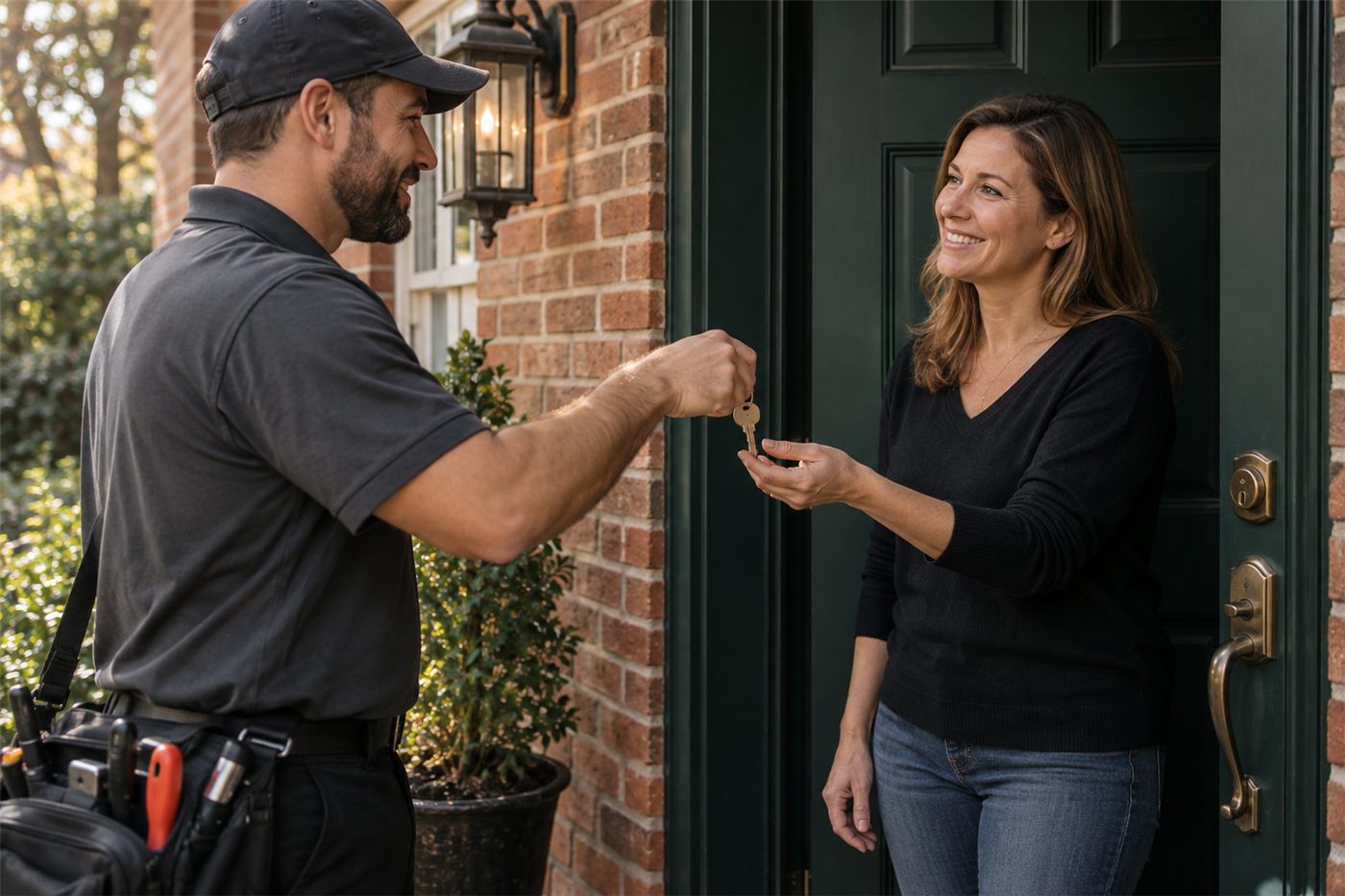
Including a child locked in a room.
Older kidsKeypad Locks
No house key to lose on the bus.
 Vehicle
Car Lockout
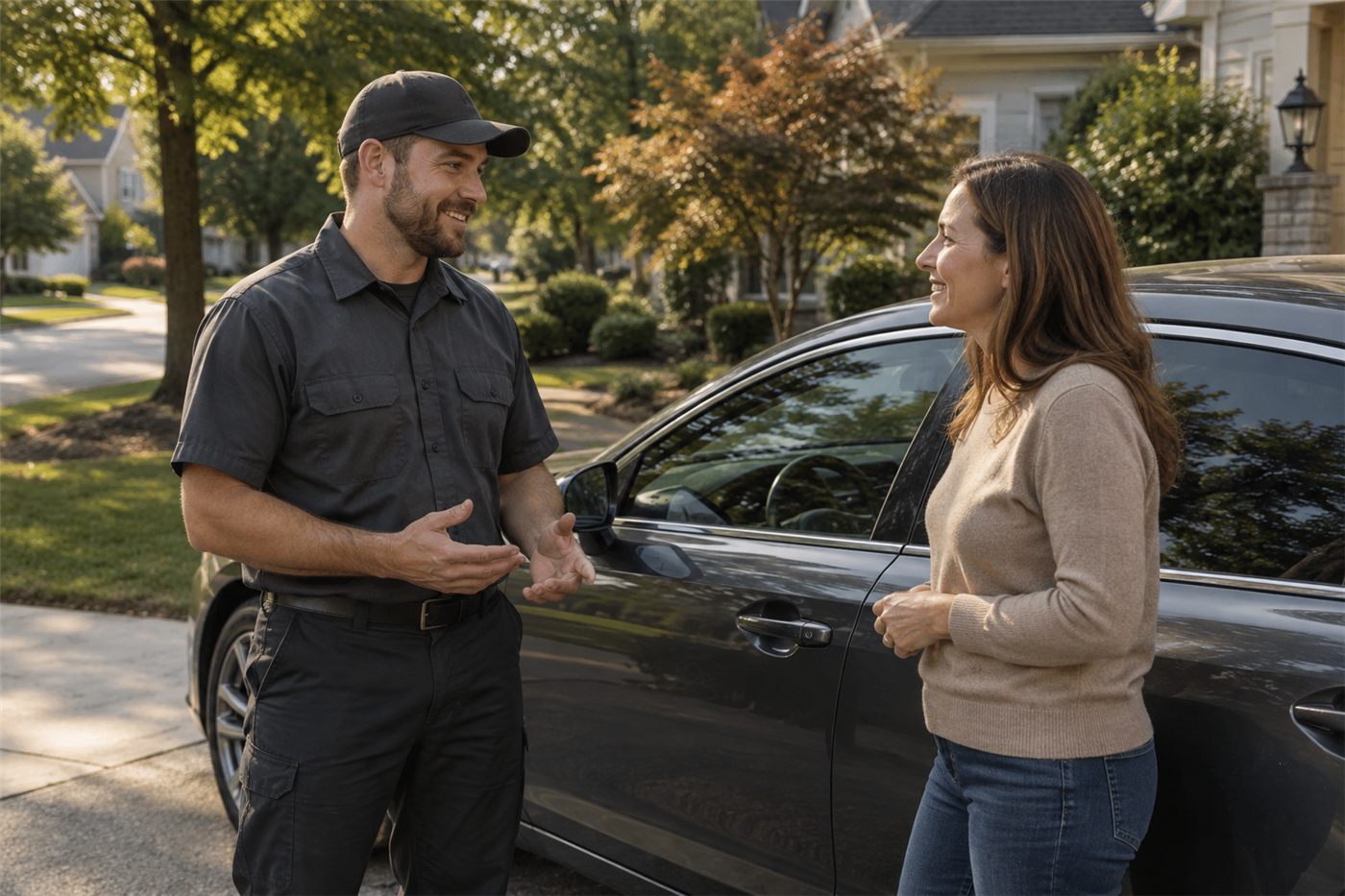
Keys locked inside. If a child is inside, call 911 first.
SafesGun Safe Locks
Firearms secured where children cannot reach them.
OpeningsWindow Locks
Limiting how far upstairs windows open.
Where we do this
Family home lock work across both counties.
Questions
About childproofing doors.
Should I install a double cylinder deadbolt to stop my toddler opening the door?
We do not recommend it. A double cylinder needs a key on the inside, which can trap adults in a fire. A high keyless latch or second deadbolt mounted out of reach stops the child without blocking your escape.
My child locked themselves in the bathroom. How do I open it?
Most interior privacy locks have a small hole or slot in the outside handle. A thin straight tool pushed or turned in it releases the lock. If there is any danger, such as running water or a child who is unwell, call 911 first. Otherwise call us.
Are door knob covers effective?
For young children on round knobs, yes. They slow adults down a little and do not fit lever handles. Make sure every adult in the home, including visitors, knows how to use them.
Where should a high latch be mounted?
High enough that your child cannot reach it even standing on something, and low enough that every adult in the house can open it easily. It should be fixed into solid wood, not just thin trim, so it cannot be pulled loose.
What should I do if a child is locked in a car?
Call 911 first, in any weather. Emergency responders can act quickly, and a closed car can become dangerous fast. For a lockout with no child inside, call us.
Is a keypad lock good for a child coming home alone?
It can be very good. There is no key to lose and the code can be changed quickly. Choose a model with a mechanical override, and teach your child to lock the door behind them.
Do I need to lock my basement door?
If it opens onto stairs and you have a toddler, a high latch or a stair gate is a good idea. Make sure the door can always be opened from the basement side so nobody gets trapped downstairs.
Can you install childproofing locks for us?
Yes. We fit high latches, secondary keyless deadbolts, privacy locks with outside release, keypads and window locks, and we will walk through your escape routes with you to make sure nothing blocks a way out.