

Why move-in week matters
Delaware hosts a lot of students. The University of Delaware in Newark, Delaware State University in Dover, Wilmington University, Delaware Technical Community College campuses and several smaller schools bring thousands of people into new housing every August and January. For many of them, it is the first time they have been responsible for their own keys, their own door, and sometimes their own car far from home.
Move-in week is chaotic. Doors are propped open for hours while boxes go in. Roommates who met the day before share a room. Keys and access cards are handed out in a rush. Cars are packed full and parked in unfamiliar lots. It is exactly the kind of situation where things go missing, and where habits formed in the first week last the whole year.
This guide is for students and for the parents helping them. It covers campus housing, off-campus rentals, shared houses, cars, bikes and valuables. It is practical advice from a locksmith, not a summary of any school's rules. Every institution has its own housing policies, and the housing office is the authority on those. Where we mention them, it is to tell you to check.
Residence halls
The locks belong to the school.
In campus housing, the rule is simple: report it, do not fix it yourself.
Residence hall doors, whether opened with a key, a card, a phone or a code, are part of the school's system. They are managed by the housing department or campus facilities, and they are designed so that the school can control access for thousands of rooms at once. A student should never hire a locksmith to change, rekey or open a residence hall lock. It is not your lock to change, and doing so could break housing rules and the building's security system.
If you lose a room key or an access card, report it to the housing office or the front desk straight away. Most schools can deactivate a card quickly and issue a new one, and may rekey a room if a physical key is lost. There may be a fee. Delaying the report to avoid the fee leaves your room, and your roommate's belongings, exposed.
If you are locked out of your room, use the school's lockout process. Many halls have a front desk, a resident assistant on duty or a campus safety number for this. Learn which one applies to your building during move-in week, and save the number in your phone before you need it.
What you can control is your own behavior. Do not prop hall doors open for friends. Do not lend your card. Lock your room door when you go down the hall to the bathroom, not just when you leave the building. Most thefts in shared housing are opportunistic: an unlocked door, a laptop on a desk, a phone on a bed.
Move-in checklist
The first day, in order.
| Step | Campus housing | Off-campus rental |
|---|---|---|
| Collect keys or cards | Sign for them and check each one works before you leave the desk. | Count keys against the lease and check each works in its lock. |
| Test every lock | Room door, mailbox, any storage locker. | Every exterior door, bedroom doors, windows, mailbox. |
| Note problems in writing | Report through the housing system. | Email the landlord or manager with photos, dated. |
| Save the right numbers | Front desk, resident assistant, campus safety. | Landlord, maintenance, a locksmith for after hours. |
| Ask who else has keys | Not usually relevant, the school controls it. | Ask whether the locks were rekeyed after the last tenants. |
| Decide on the door during move-in | Someone stays with the open room. | Someone watches the open front door and the car. |
| Set up a spare plan | Know the lockout process. | A trusted roommate or nearby friend holds a spare. |
Off-campus
Renting a house or apartment near campus.
Off-campus student housing is a different world. The locks belong to the landlord, but you are responsible for the house day to day, and student rentals turn over far more often than ordinary housing. A house near campus in Newark might have had a new group of four students every year for a decade. Every one of those students had keys, and many made copies for friends or partners.
Ask whether the locks were changed. Politely ask the landlord or property manager whether the locks were rekeyed after the previous tenants left. Many good landlords do this as a matter of routine. If they have not, ask whether they will. Our guide for rental owners explains why most landlords see it as sensible, and the apartment lock rights guide covers how tenants can raise it.
Do not change the locks yourself without permission. Most leases say the tenant may not change locks without the landlord's consent, and the landlord will want a key. If you have a genuine concern, raise it with the landlord in writing first.
Check the doors that nobody uses. Student houses often have a back door, a basement door or a side door that the group never uses and nobody locks. These are the doors thieves try. Lock them, check them weekly, and report any that do not lock properly.
Check the windows. Ground floor bedroom windows in shared houses are frequently left open, and window locks are frequently broken. Report broken window locks, and close ground floor windows when you go out.
Shared houses
Bedroom doors and housemates.
In a shared house, the front door keeps the public out, but it does not keep housemates, their guests, or the guests of their guests out of your room. After a party, a lot of people have been through the house. Many students want a lock on their own bedroom door, and it is a reasonable wish.
Some rental houses already have keyed bedroom locks. If yours does, find out who else has the key to your room. Usually the landlord does, which is normal. If previous tenants took bedroom keys with them, ask about rekeying.
If your bedroom door has only a privacy lock, the kind with a push button inside and a small release hole outside, it keeps honest people out but will not stop anyone determined. Ask the landlord whether a keyed lock can be fitted. Many landlords agree if it is professionally installed and they get a key. Do not fit one yourself without permission, and never fit anything that could trap you inside in a fire. Keyed-both-sides bedroom locks are a real hazard.
A small lockable safe or cabinet in your room is often the more practical answer. It keeps a passport, medications, cash and small electronics secure regardless of who comes through the house, and you can take it with you when you move out.
Valuables
What actually gets stolen, and how to stop it.
| Item | Simple protection |
|---|---|
| Laptop | Lock the room every time you leave it. A cable lock at the desk helps in shared spaces. Never leave it in a car. |
| Phone | Screen lock, find-my-phone enabled, never left on a table in a common area. |
| Bike | A quality U-lock through the frame and a wheel to a fixed rack. Cable locks alone are easy to cut. |
| Passport, documents, cash | A small safe or lockable box in the room. |
| Medications | Locked away, especially in shared houses. Some are targets for theft. |
| Car and its contents | Nothing visible inside. Garage remotes and spare keys never left in the car. |
| Keys and cards | One lanyard or ring, never labeled with room or address. |
Never label keys with a room number or address
Students often write their room number or street address on a key tag to keep track of new keys. If that key is lost on campus, it tells whoever finds it exactly which door it opens. Use a color or a symbol instead.
Cars on campus
Bringing a car to school.
Many students bring a car, sometimes a family car with a single key. That is one of the riskiest combinations we see. A student far from home loses the only key, and the car is stuck in a campus lot or on a street in Newark or Dover until a new key can be made.
Before the semester, make sure the car has two working keys. One travels with the student. The other stays in a safe place, ideally with a roommate or a trusted friend at school, not in the car and not at home three states away. The spare car key guide explains why this matters and what kind of spare to get.
If the car uses a smart key or push button start, a spare fob is especially important, because replacing the last one is the most involved kind of car key job. Our all keys lost page explains what happens if it does go wrong.
Car lockouts are common during move-in, when cars are full, doors are opened and closed dozens of times, and keys are put down on seats. If it happens, we can open most vehicles without damage. Our car lockout page covers what to expect, and the locked out of your car guide covers the first steps. If a pet or person is locked inside, call 911 first.
Keep the car clean of valuables. A laptop bag on the back seat in a campus lot is an invitation. Put things in the trunk before arriving, not after parking.
Habits
What keeps students out of trouble all year.
- Lock the door every time. Even for two minutes down the hall. Most shared housing thefts happen through an unlocked door.
- Keep keys and card on one lanyard or ring. One thing to keep track of instead of three.
- Have a spare plan before you need it. A roommate or friend who holds a spare house key. Know the dorm lockout process.
- Do not hide a key outside. Everyone in a student neighborhood knows where students hide keys.
- Report lost keys and cards immediately. The fee for a new card is less than the cost of a stolen laptop.
- Do not lend keys to people you just met. Friends of friends at a party do not need a key to your house.
- Check the back door on the way to bed. In shared houses, someone always leaves it open.
- Save a locksmith number for off-campus emergencies. Landlords do not always answer at two in the morning.
For parents helping with move-in
Parents often ask what they can do to help beyond carrying boxes. A few things make a real difference.
For an off-campus rental, read the lease with your student before signing, especially anything about locks, keys, lockouts and security. Ask the landlord directly whether the locks were rekeyed after the last tenants. Check every lock and window on move-in day while you are there with fresh eyes, and send any problems to the landlord in writing, with photos, the same day.
Make sure the car your student is taking has two keys and a plan for the spare. Put a locksmith's number and the landlord's number in your student's phone, along with the campus safety number. Talk through what to do in a lockout, both at the residence hall and at an off-campus house.
Consider a small safe or lockbox for the room, and a quality bike lock if they are bringing a bike. These are inexpensive and they protect the things students most often lose.
If your student is renting a whole house with friends, it is worth a quiet word about guests. Parties, visiting friends and new partners mean a lot of people pass through a student house, and keys are sometimes lent casually. Agree as a household that house keys stay with the people on the lease, and that a lost key is reported to the landlord rather than ignored. It is a small conversation that heads off a lot of trouble later in the year.
At the end of the year, the same checks apply in reverse. Return every key and card, get a receipt, and photograph the condition of the locks and doors on the way out. Keys not returned can lead to charges, and in a rental they may lead to a rekey the tenants are asked to pay for.
Delaware campuses
Where we help most.
Newark. The off-campus neighborhoods around the University of Delaware have many older houses divided into student rentals, with lots of turnover and many unused back and basement doors. Lockouts, rekeys requested by landlords at turnover, and car lockouts on Main Street and in apartment complex lots are all common calls.
Dover. Delaware State University and the Delaware Tech campus in Dover bring students into apartments and houses across the city. Many students here commute by car, so car keys and lockouts make up much of what we see.
Wilmington and the surrounding area. Wilmington University students and Delaware Tech students in the city are more often in ordinary apartments than student-specific housing, and the usual apartment advice applies.
Wherever you are, we do not open or change residence hall locks, which belong to the school. For everything off campus, from a house lockout to a car key, we can help.
Related
Guides and services for students.
 Most requested
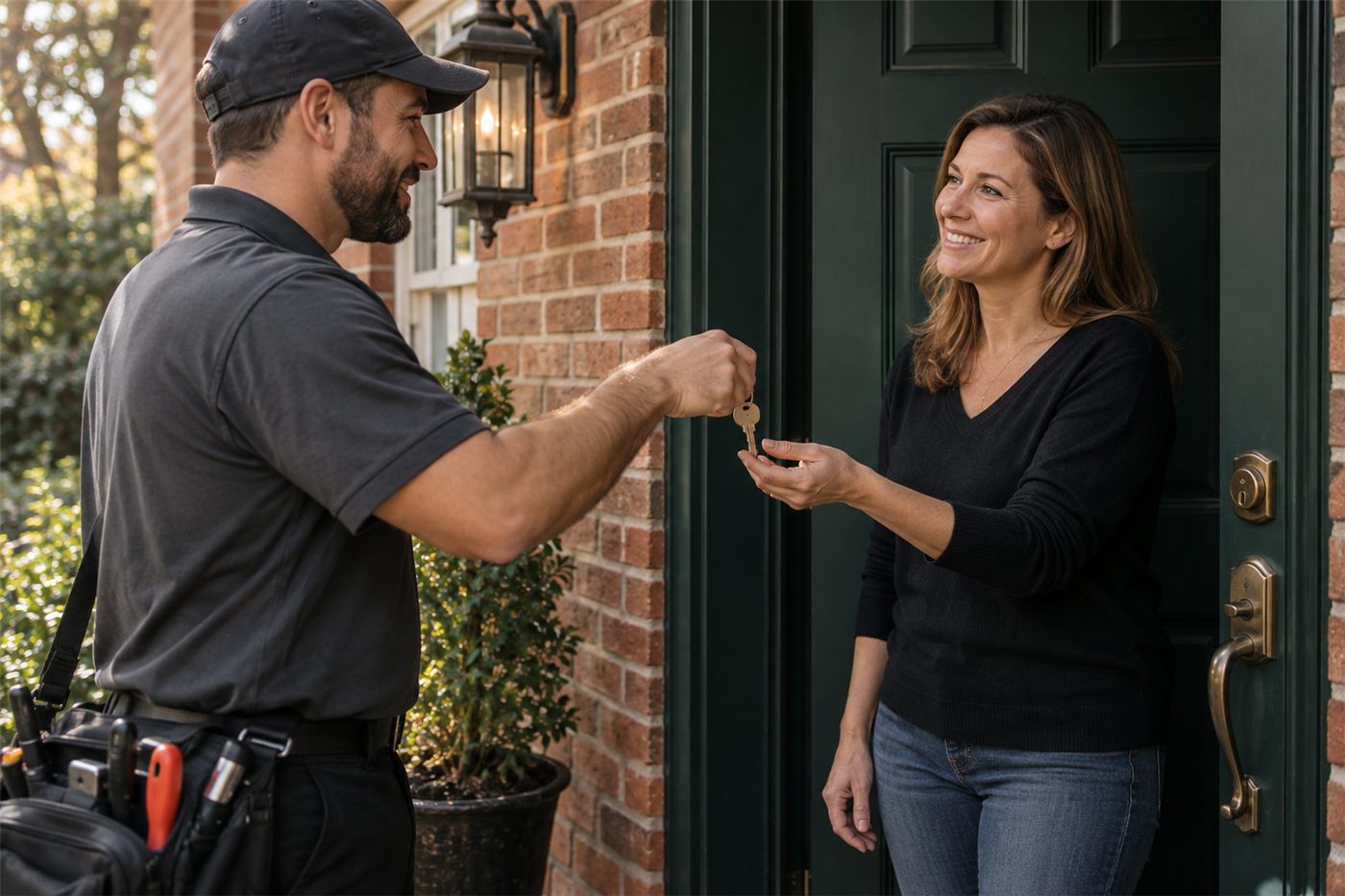
House Lockout
Locked out of an off-campus house or apartment.
 Vehicle
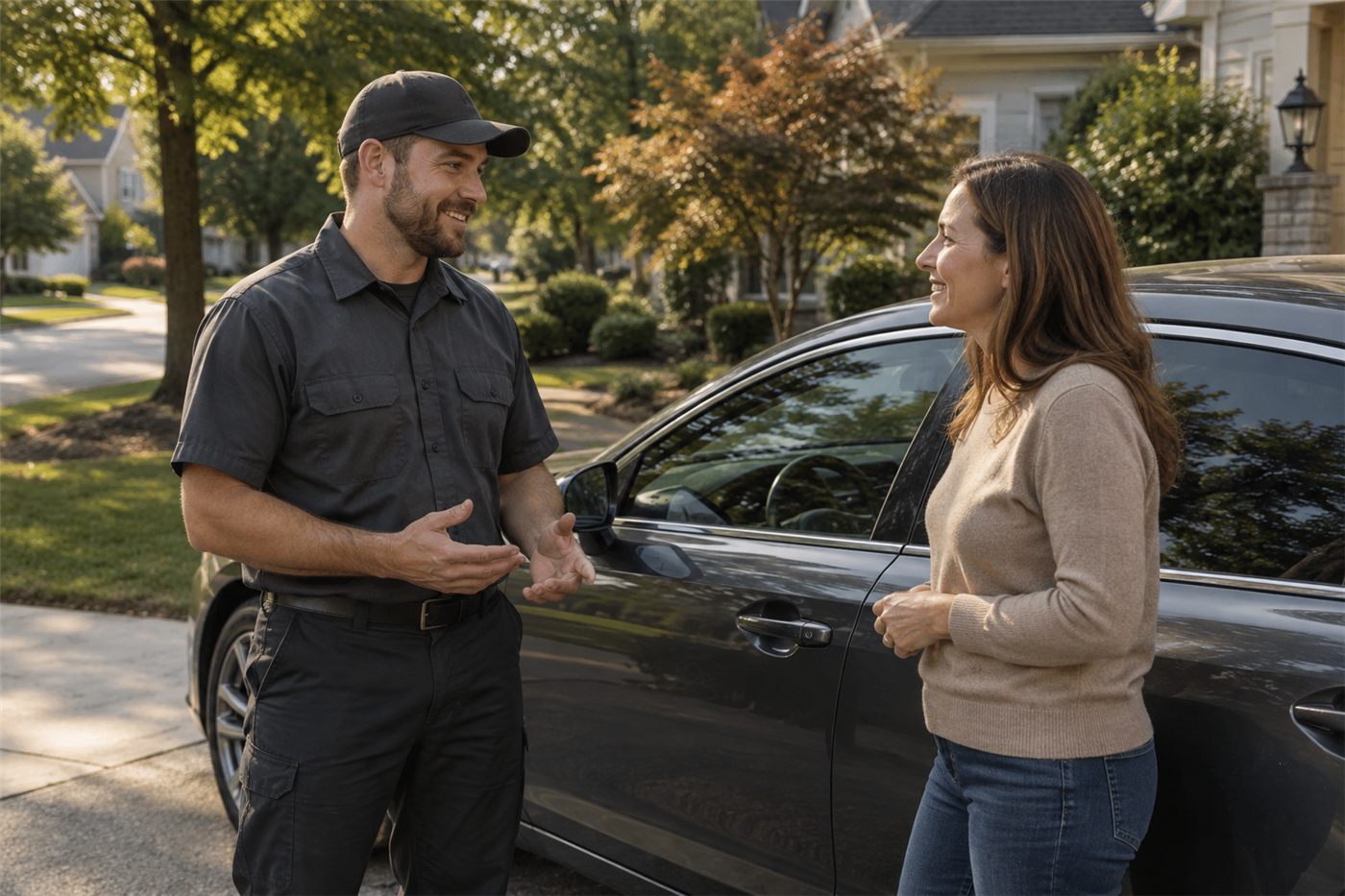
Car Lockout
Keys on the seat during move-in.
KeysCar Key Replacement
A spare before the semester, or a replacement after.
 Valuables
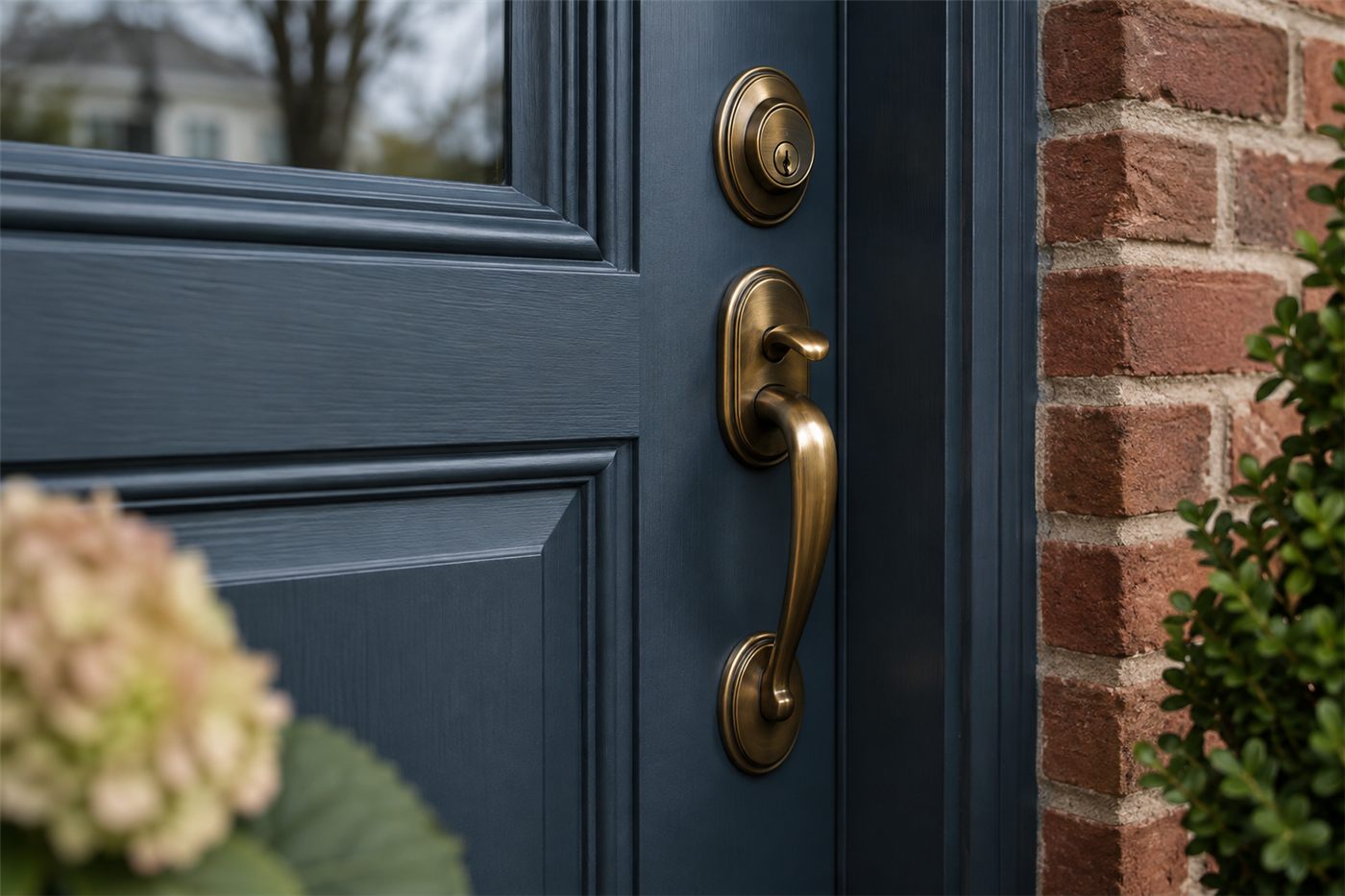
Safes
Small safes for documents and electronics.
CopiesKey Duplication
A spare house key for a trusted roommate.
Lost keysLost House Keys
What to do first if your keys go missing.
Where we do this
Student lockouts and car keys across both counties.
Questions
About student locks and keys.
Can a locksmith open my dorm room?
No. Residence hall locks belong to the school and are part of its security system. Use the school's lockout process, usually through the front desk, a resident assistant or campus safety. Learn which applies to your building during move-in.
I lost my dorm key. What should I do?
Report it to the housing office straight away. Schools can usually deactivate a card quickly and may rekey a room if a physical key is lost. There may be a fee, but delaying the report leaves your room exposed.
Should I ask my off-campus landlord to change the locks?
It is reasonable to ask whether the locks were rekeyed after the previous tenants. Many landlords do it routinely. Ask politely and in writing. Do not change the locks yourself without permission, since most leases prohibit it.
Can I put a lock on my bedroom door in a shared house?
Ask the landlord first. Many agree to a professionally installed keyed lock if they receive a key. Never fit a lock that needs a key to get out, which is dangerous in a fire. A small safe in the room is often a practical alternative.
Do I need a spare car key at college?
We strongly recommend one. Losing the only key far from home means an all keys lost job. Keep the spare with a trusted friend at school, not in the car.
What is the best bike lock for campus?
A quality U-lock through the frame and one wheel, locked to a fixed rack. Cable locks alone are easy to cut. Adding a cable for the second wheel helps.
Can you help if I am locked out of my off-campus apartment at night?
Yes. We will ask for identification showing you live there, such as a lease or ID with the address, before opening the door. That protects you and your housemates.
What should I do with keys at move-out?
Return every key and card, get a receipt, and photograph the doors and locks as you leave. Unreturned keys can lead to charges or a rekey you may be asked to pay for.